Our History
More than one hundred forty years on the land.
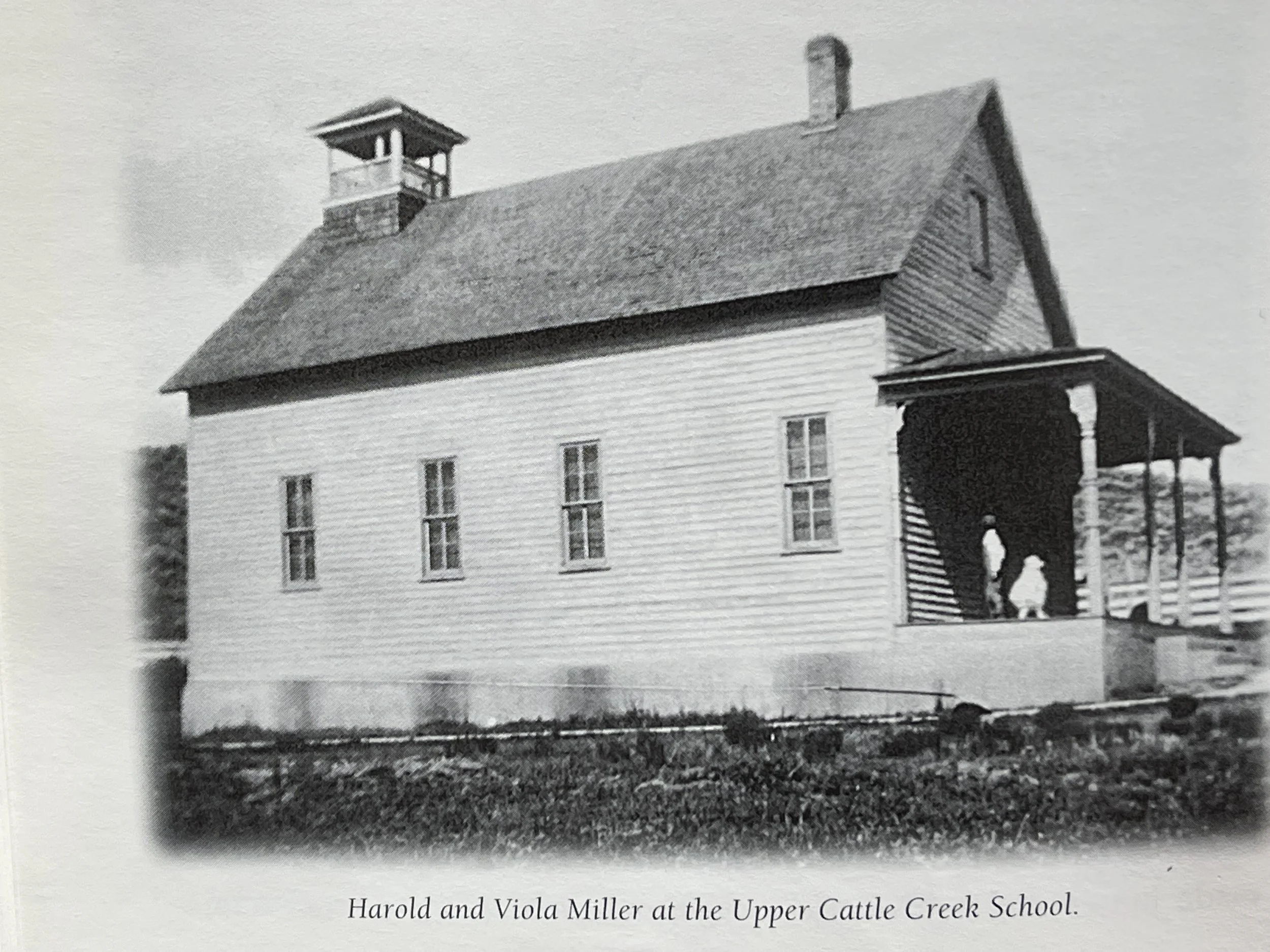
Chief Ouray, respected Ute leader and diplomat.
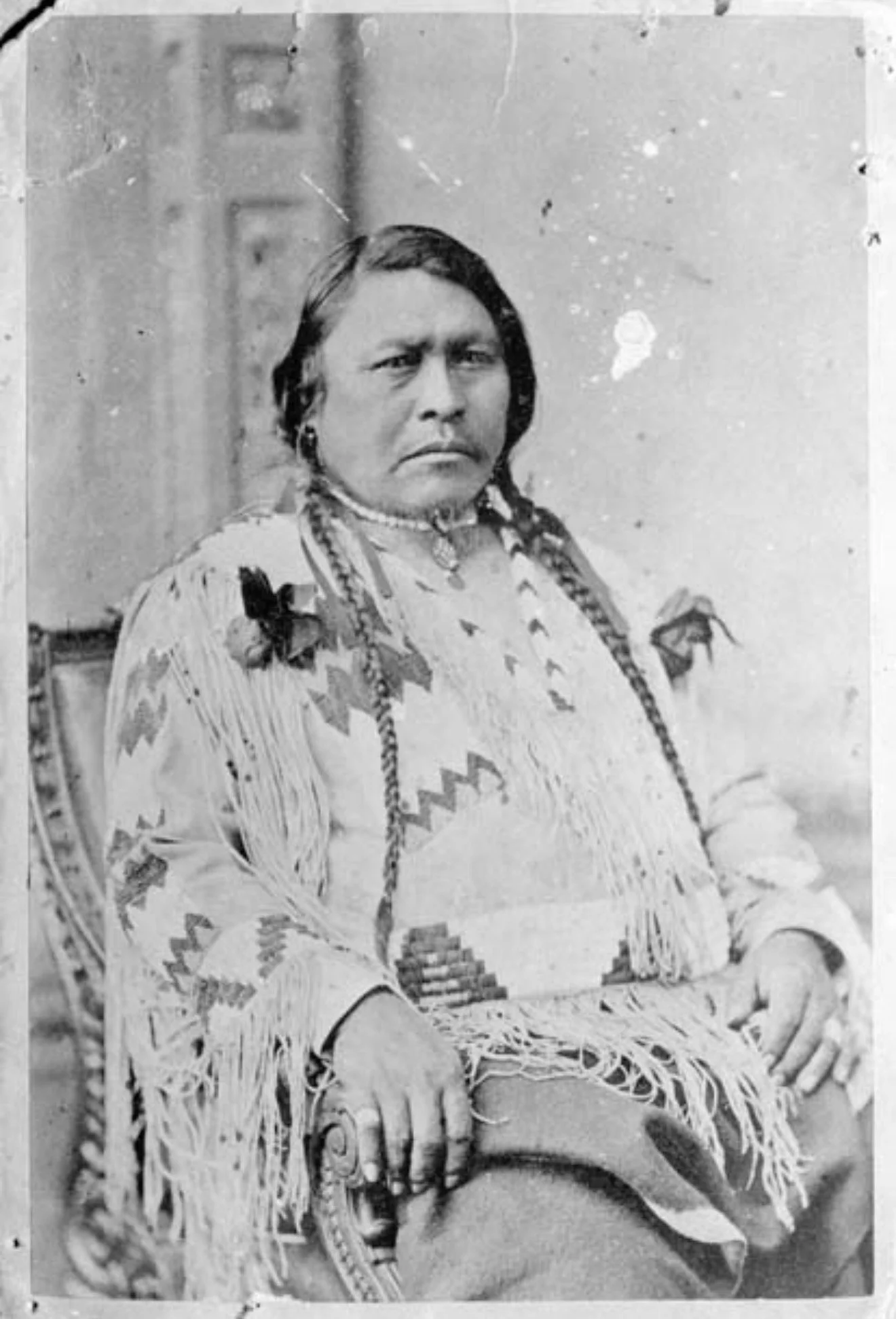
Historic Coulter Creek School (Upper Cattle Creek School), opened in 1888
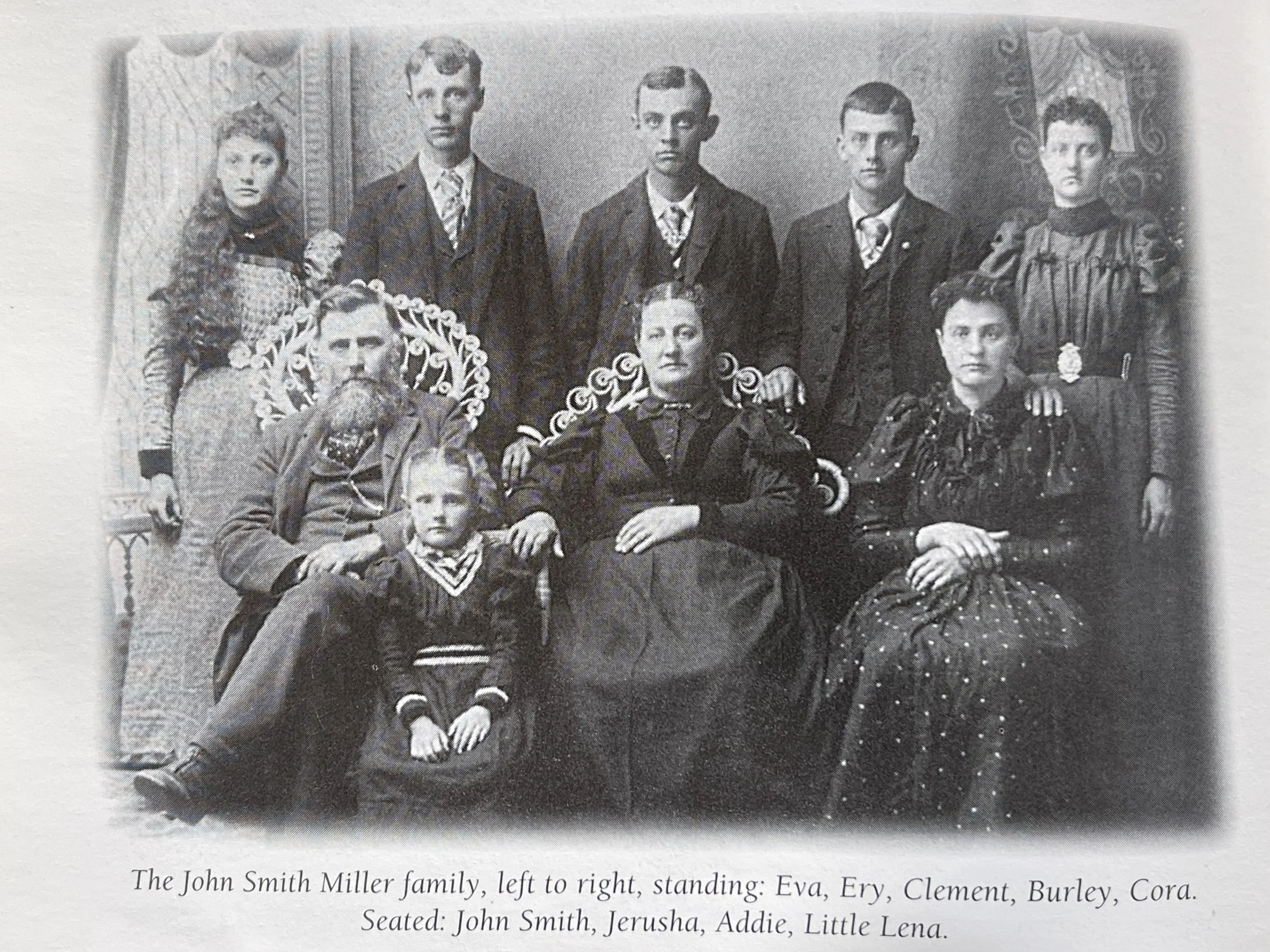
The John Smith Miller Family
Before the Ranch: The Ute Homelands
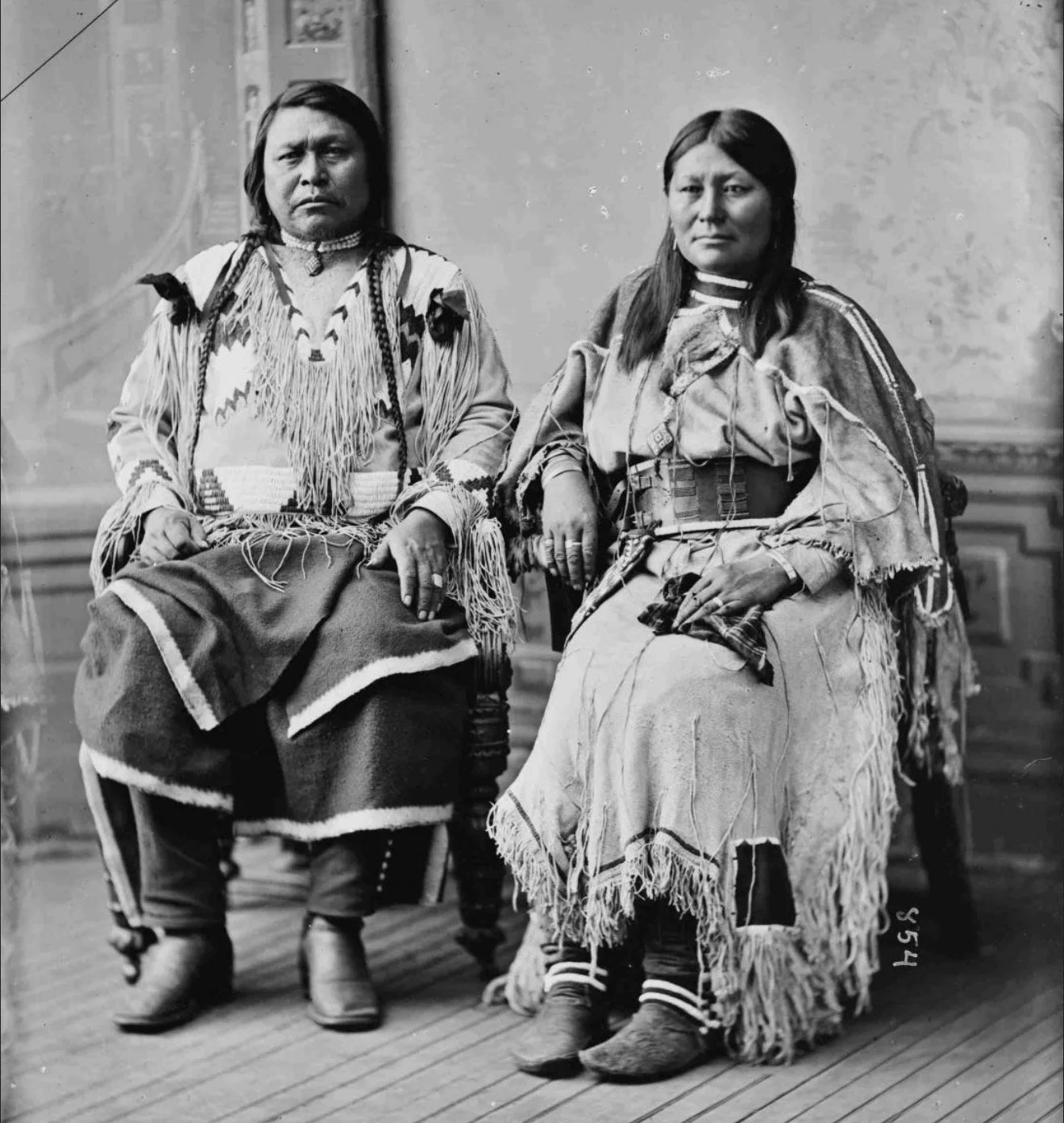
Chief Ouray and Chipeta, Ute leaders and diplomats.
Long before this land was divided by property lines, roads, ditches, or federal surveys, the mountains and valleys of western Colorado were part of the homeland of the Ute people. For generations, Ute bands lived, traveled, hunted, and gathered throughout this country, moving with the seasons and following water, wildlife, and available resources.
The Roaring Fork Valley, the Colorado River corridor near present-day Glenwood Springs, and the high country surrounding Cattle Creek were all part of that much larger landscape. The land that would eventually become Out of Bounds Ranch was part of this connected world, long before anyone described it in acres, sections, or parcels.
During the nineteenth century, that landscape changed profoundly. American settlement expanded into western Colorado, while a series of treaties and agreements progressively reduced Ute territory. Following the events of 1879 and subsequent negotiations with the federal government, most Ute people remaining in northern and central Colorado were compelled to leave the Western Slope. By the early 1880s, the White River and Uncompahgre Utes had been removed to reservation lands in present-day Utah, while other Ute communities remained in southwestern Colorado. Southern Ute Indian Tribe
Federal surveys and land laws soon imposed a very different system of ownership on the landscape. Lands that had been part of an interconnected Ute homeland were surveyed into townships, sections, and individual parcels that could be transferred into private ownership. Some of the earliest federal records associated with land that later became part of Out of Bounds Ranch still carry the designation “Ute Series,” a surviving reminder of that transition.
The Ute people, however, are not simply part of Colorado’s past. Ute communities and governments continue today through the Ute Indian Tribe of the Uintah and Ouray Reservation, the Southern Ute Indian Tribe, and the Ute Mountain Ute Tribe.
Understanding that history matters because the story of Out of Bounds Ranch did not begin with a deed—or even with the first ranchers. It begins with the land itself and with the Ute people who knew this country long before it became a ranch.
Water Before Title
The recorded agricultural history of the ranch begins with water.
In the dry mountain country of western Colorado, acquiring land was only part of establishing a ranch. Settlers also needed a dependable way to move water from mountain streams to fields and pastures. Without irrigation, hay production and permanent agricultural use would have been extraordinarily difficult.
Two of the earliest documented water rights associated with land that would eventually become Out of Bounds Ranch date to 1882. The Prior Ditch carries an appropriation date of May 10, 1882, and the Coulter West Side Ditch followed on June 1, 1882.
Those dates are significant because they predate the federal patents that later conveyed portions of the property to Robert and Albert Coulter in the 1890s.
In other words, water came before title.
People were already diverting water, building irrigation systems, and putting the land into agricultural production while the federal government was still completing the process of surveying and transferring ownership of the former Ute lands.
Those early ditches were not minor improvements. They were part of what made ranching here possible. Built with the tools and labor available at the time, they began shaping a working landscape whose relationship with water continues more than 140 years later.
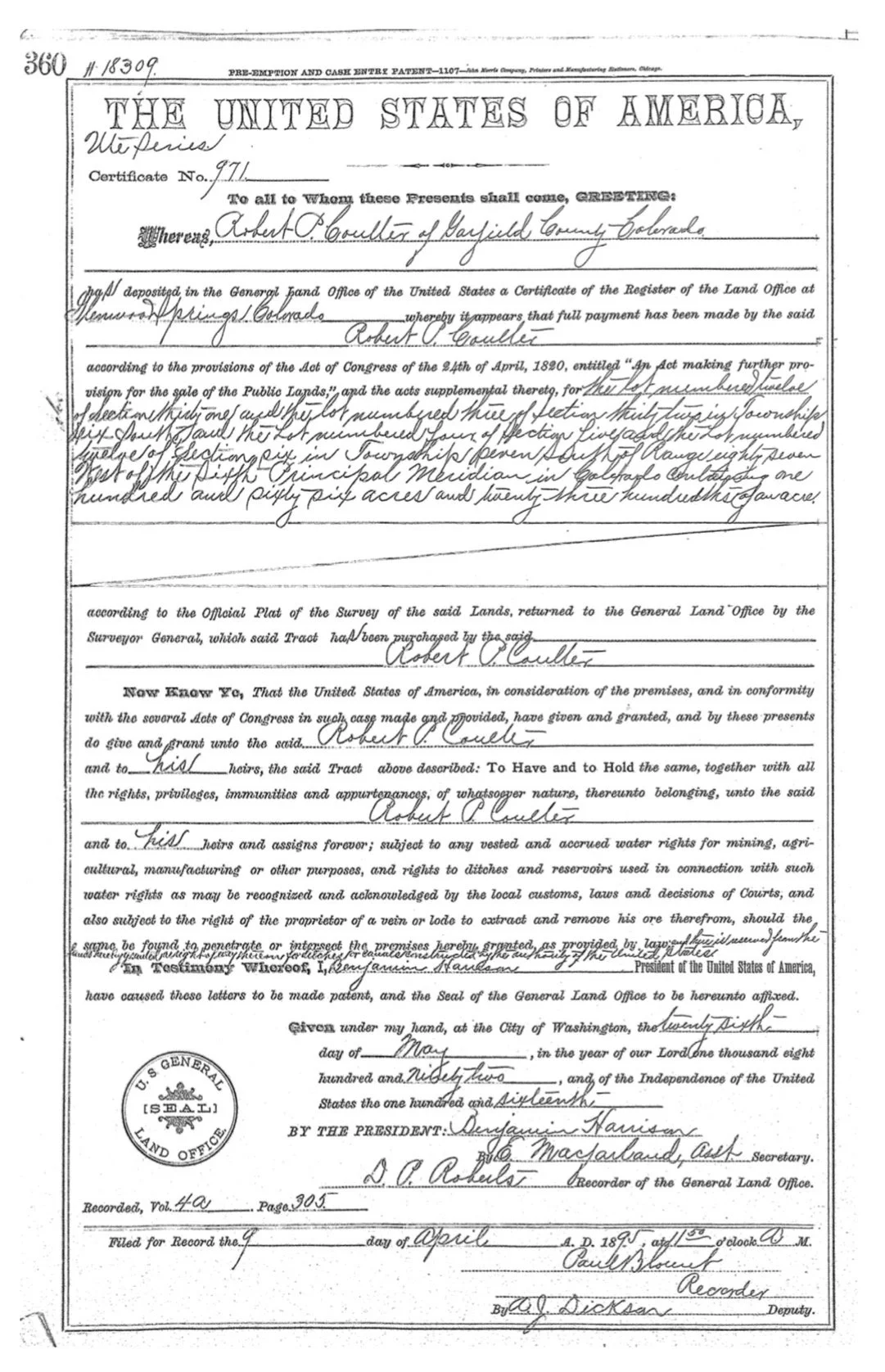
Robert P. Coulter federal land patent, issued May 25, 1892, for 166.23 acres in Garfield County, Colorado.
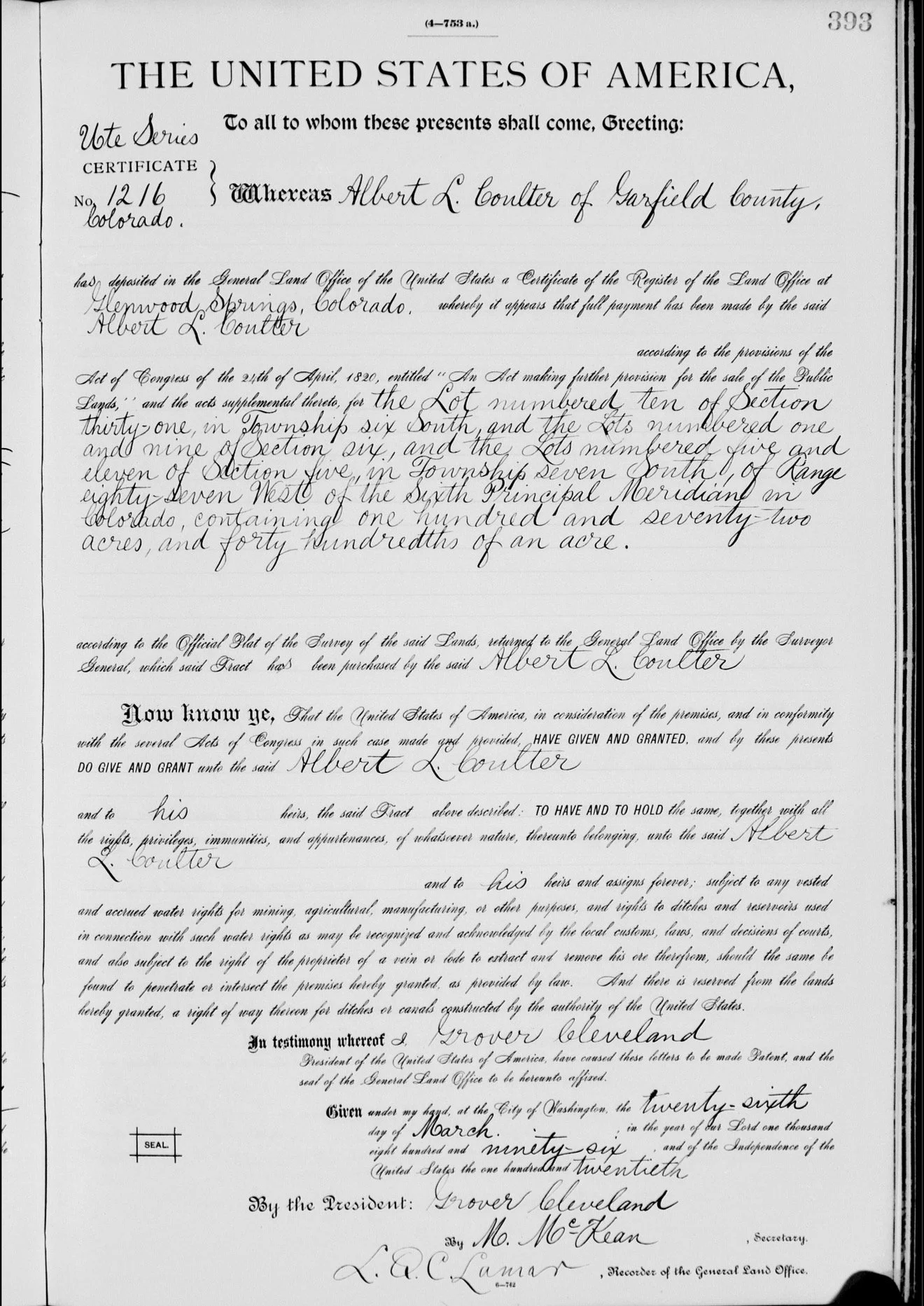
Albert L. Coulter “Ute Series” federal land patent, issued March 28, 1896, for 172.40 acres in Garfield County, Colorado.
The Coulter Era
The history of the ranch after the Coulter era becomes more complicated—and that complexity is part of the story.
What is now Out of Bounds Ranch did not pass intact from one family to another through a single, uninterrupted chain of ownership. The modern ranch was assembled over time from separate historic tracts, and portions of the upper and lower ranch followed different ownership paths before eventually coming together.
By the early twentieth century, the Miller family appears in the history of portions of the property. Clement Miller was associated with an approximately 160-acre tract by about 1902, while a 1904 road deed involving Jerusha Miller provides another surviving record of the family’s presence in the Upper Cattle Creek landscape.
The Heuschkel family appears in the ranch chronology by approximately 1949. Their connection to the property remains visible in historical records and in the name Heuschkel Well No. 1. The available records also reinforce an important point: during this period, different portions of what is now Out of Bounds Ranch did not necessarily share the same ownership history.
Another part of the upper-ranch story is associated with Charles P. Renftle in 1939. Those lands would later become part of property assembled during the Gould era.
A major transition occurred in 1961, when John A. and John L. Heuschkel conveyed approximately 1,318.93 acres to Virgil A. and Joyce H. Gould. That conveyance represented an important step in bringing together portions of the landscape that would ultimately form the modern ranch.
By then, nearly eighty years of agricultural use had already shaped the land. Successive owners and ranch families had established roads, developed and maintained irrigation systems, worked hay ground, grazed livestock, and adapted the property to the demands of ranching in the Upper Cattle Creek country.
This period is therefore more than a list of names on deeds. It is the story of how separate pieces of land, each with its own history, gradually became part of the ranch that exists today.
A Ranch Becomes a Community
The first ranching families of Upper Cattle Creek were not simply creating individual agricultural properties. Together, they were building a rural community.
As more families settled the surrounding country, roads were established, irrigation systems expanded and neighbors increasingly depended upon one another. Ditches crossed property lines. Ranchers shared water systems, helped maintain roads and gathered for the social and practical necessities of life in an isolated mountain valley.
One of the most enduring symbols of that community was the Coulter Creek School, later known as the Upper Cattle Creek School. The school opened in 1888 near what is now the intersection of County Roads 115 and 121, and local history identifies Albert Coulter as having donated the school property.
For decades, the small schoolhouse served the surrounding ranch families. It was more than a classroom. Christmas programs, dances and community gatherings brought neighbors together there, and generations of children from the surrounding ranches passed through its doors.
Its survival today provides a physical connection to the period when scattered ranch families were becoming a recognizable Upper Cattle Creek community. The Coulters helped establish part of that foundation, but the story soon broadened to include other families whose lives and work would shape the land for generations to come.
Between Generations
The ownership history after the Coulters becomes more complicated—and that complexity is important to preserve.
What is now Out of Bounds Ranch was not handed intact from one family to the next through a single, uninterrupted chain of title. The modern ranch developed over time as separate historic tracts followed different ownership paths and were eventually brought together.
By the early twentieth century, the Miller family appears in the history of portions of the property. Clement Miller was associated with an approximately 160-acre tract by about 1902, while a 1904 road deed involving Jerusha Miller provides another surviving record of the family’s presence in the Upper Cattle Creek landscape.
The Heuschkel family appears in the ranch chronology by approximately 1949. Their connection remains visible in records and place names such as Heuschkel Well No. 1. The surviving records also reinforce an important point: the upper and lower portions of the modern ranch did not necessarily follow identical ownership histories during these years.
A separate part of the upper-ranch story is associated with Charles P. Renftle in 1939. Those lands would later become part of the property assembled by Virgil and Joyce Gould.
In 1961, John A. and John L. Heuschkel conveyed approximately 1,318.93 acres to Virgil A. and Joyce H. Gould, marking an important step in bringing together pieces of the landscape that would ultimately form the modern ranch.
By that time, nearly eighty years of ranching had already shaped the property. Roads, irrigation systems, grazing patterns, hay ground and working traditions had been established by multiple generations. Each family inherited not simply land, but a landscape altered—and in many ways improved—by the people who had worked it before them.
That is why this period should not be treated merely as a list of owners. It represents the gradual assembly of the ranch itself.
The Working Ranch Remembered
Not all of the history of a working ranch is contained in deeds, patents and water records. Some of it survives because people remember how the land was actually used.
That living history is particularly important at Out of Bounds Ranch because Max MacDonell’s relationship with the property reaches back more than four decades. After graduating from Colorado State University in 1979 with a degree in animal science and beginning his ranch-management career, Max leased what is now Out of Bounds Ranch in 1981.
Over the decades he ran cows, calves and yearlings here and produced grass-fed beef, experiencing the ranch not as a historical record but as a working agricultural operation.
His memories connect the modern ranch with the Gould-era landscape: the pastures cattle used, the way water moved across the property, the working corrals, fences, roads and seasonal rhythms that rarely appear on a deed.
That distinction matters. Legal records can tell us who owned a property and when. They cannot fully describe what it felt like to move cattle across it, watch water through a ditch, repair a fence before a storm or understand how one pasture connected to another.
The people who worked the ranch provide that missing part of its history. Their recollections help turn a chain of ownership into the story of a working place.
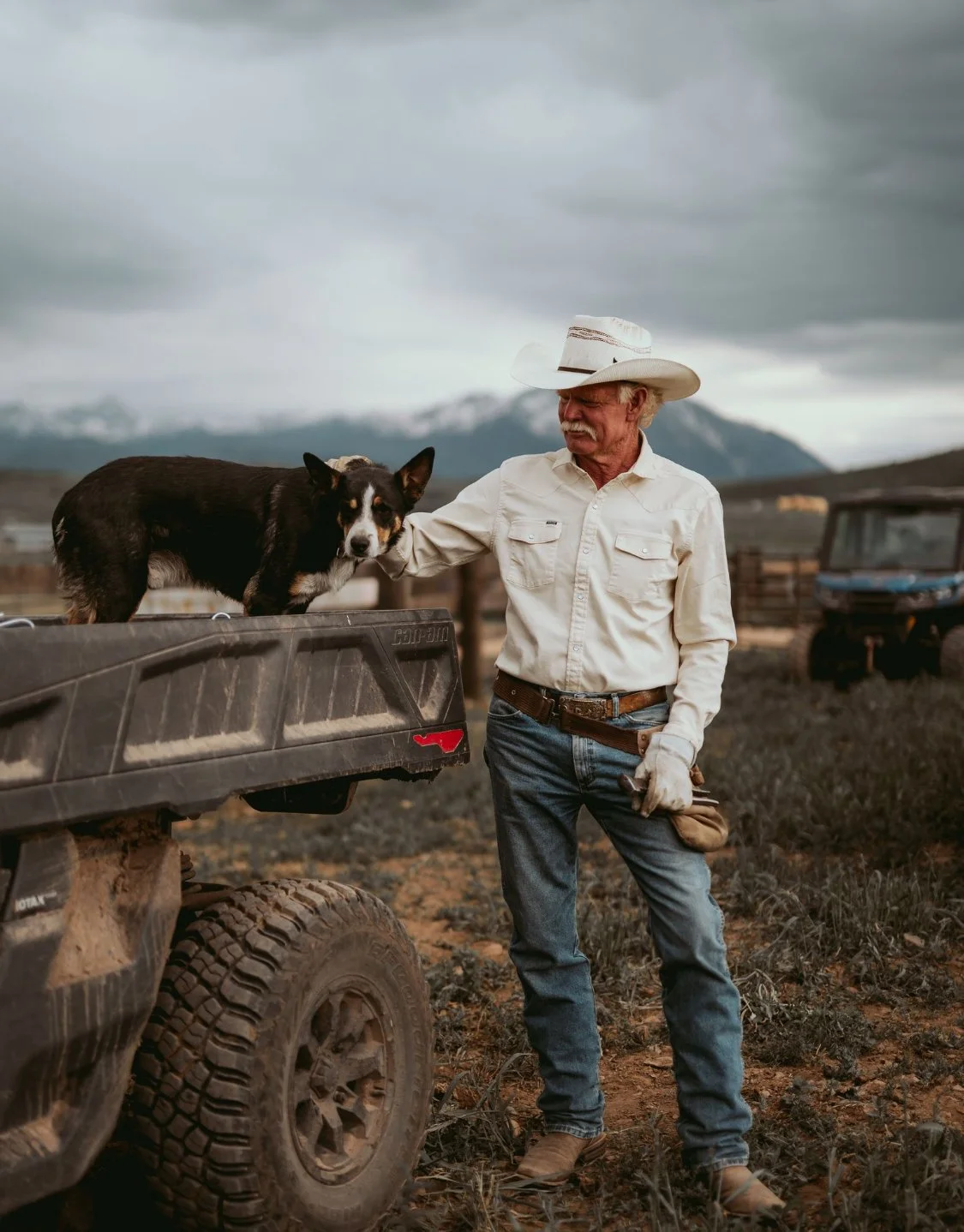
Max MacDonell, whose connection to the ranch began in 1981, when he leased and operated the property as a working cattle ranch.
From the Coulters to Out of Bounds Ranch
Across more than a century, separate properties and generations of ownership gradually came together to form the ranch that exists today.
The Coulters established some of the earliest documented agricultural holdings in the 1880s and 1890s. The Miller and Heuschkel families became part of the next chapters, while other portions of the upper ranch followed separate ownership paths. Over time, the Gould family assembled important pieces of these historic holdings, helping shape the larger ranch that would eventually become Out of Bounds Ranch.
The property later passed to Jeff Gordon and JG Real Property LLC, and ultimately to the Smith family through BWI Financial LLC. In 2021, those accumulated pieces of the historic Upper Cattle Creek landscape entered their present chapter as Out of Bounds Ranch.
The names on the deeds have changed many times. Much of what defines the land has not.
Water still moves through systems whose history reaches back to the earliest years of ranching here. Cattle still graze the mountain pastures. Wildlife still crosses the same forests, meadows, and creek corridors. The historic schoolhouse remains nearby, and names such as Coulter still identify the geography.
Today, Out of Bounds Ranch represents the latest chapter in a story extending far beyond any single owner.
Our responsibility is to understand what came before us, care for what has been entrusted to us, and preserve both the working character and the history of the land for those who come after.